It can be hard to feel like gardening is a viable hobby when you live in a rented home. You never know when you’ll move somewhere with zero garden space, or plenty of garden space that tenants are forbidden from accessing. The answer here is container gardening, a compact way to enjoy growing your own edible greenery and taking it with you when you move.
Some of the Australian bushfood species in our range will grow quite happily in pots – from large rainforest trees to soft-leaved “harvest all year” herbs – provided they get the growing conditions they need to thrive. Whether you’re growing on a sunny balcony, a dappled veranda, or along the kitchen window, here are our top picks for the most “renter-friendly” native edible plants.

Bush Basil
Bush Basil – Plectranthus graveolens
Also called Native Coleus, Native Five Spice, the aromatic Bush Basil was traditionally used in both medicine and cultural ceremonies. Harvest the leaves fresh, just before eating, as the aroma and flavour quickly fades. This is a low-growing shrub that takes nicely to life in a pot, and can be quickly pruned for easy transporting when you move house.
Native Thyme
Native Thyme – Prostanthera incisa
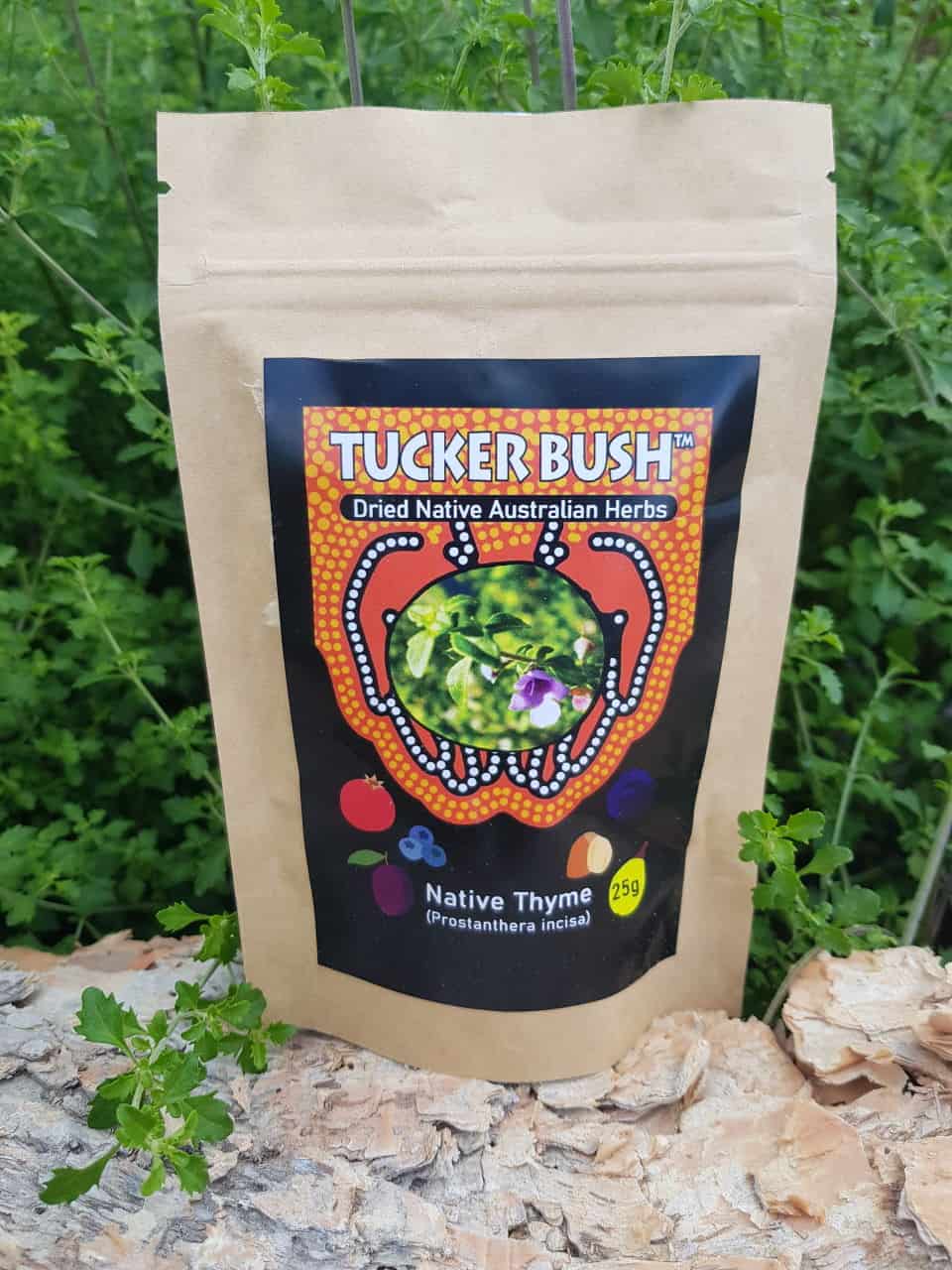
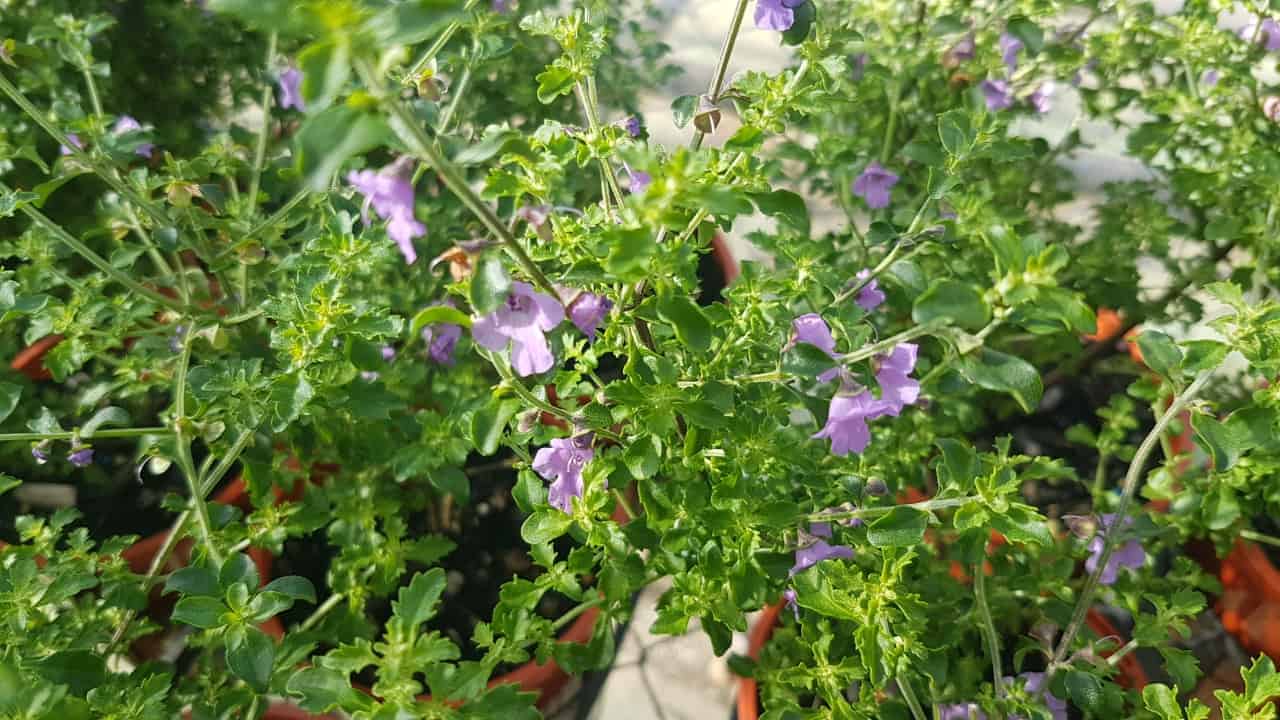
Native Thyme is a very strong herb! You only need a small amount to flavour your dishes with its complex peppery, citrusy and minty zing. As it grows quickly in warm weather, you may end up with more than you need, in which case you can cut off whole stalks for room and cupboard fresheners, or prepare zesty tisanes and water infusions for your next dinner party.
Native Thyme flourishes across New South Wales, Victoria, and south-eastern Queensland, and its unmistakable flavour and aroma set it apart from other herbs. With an intense profile characterised by savory mint, thyme, menthol, and deep herbal notes, it’s a fantastic substitute in any recipe calling for oregano, thyme, or both.
This herb is sure to become a staple in your kitchen, especially for roasting meats and root vegetables, or enhancing barbecued dishes.
Traditionally, Native Thyme has been valued for its medicinal properties, recognised for its potent antibiotic effects. Infusing the leaves and branches in hot water creates a powerful herbal remedy. Rich in thymol, it boasts remarkable antibacterial and antifungal qualities. Once you experience its heady fragrance, you’ll understand why this herb has been a vital component of traditional First Nations medicine for thousands of years.
Discover the Unique Flavours of Native Thyme
I encourage you to cultivate this stunning plant at home. It thrives with minimal care, even in pots and offers a multitude of culinary applications.
In my garden, I often catch its delightful scent wafting across the yard on a gentle breeze. The beautiful lilac-coloured flowers not only attract a variety of cheerful pollinators but are also edible, making them a delightful garnish for salads and desserts.
One of my favourite ways to enjoy Native Thyme is to sprinkle it generously over fresh halloumi, drizzled with local honey, and bake it in a super-hot oven until gooey and aromatic. It’s an effortless and memorable way to savour this exquisite native herb.

Mindy Woods
TuckerBush Culinary Director

Lemon Myrtle
Lemon Myrtle – Backhousia citriodora
The Queen of Lemon Herbs is not to be missed, not even in a rented home. Although Lemon Myrtle is naturally a rainforest tree, its lean stems and elegant branches can be kept at shrub or large bonsai size in pots. We’d suggest a medium-sized pot at the smallest, to allow plenty of root space to support its bushy, fragrant foliage.
Lemon Myrtle: My Absolute Go-To Native Herb!
Lemon Myrtle is one of my absolute go-to native herbs that I use almost every single day – I simply cannot do without it! For thousands of years, Indigenous Australians have harnessed the incredible properties of Lemon Myrtle, using it as both a medicinal remedy and a flavourful ingredient in their cooking.
Traditionally, the leaves were wrapped in paperbark and placed under hot coals to impart their delightful flavour to fish and meat dishes. Additionally, burning the leaves over coals served as an effective insect and mosquito repellent. With its antiseptic, calmative, sedative, antifungal, and antimicrobial properties, Lemon Myrtle is truly a remarkable herb.
Lemon Myrtle is potentially the most versatile native ingredient you can find. I love substituting traditional bay leaves with the refreshing lemony aroma of Lemon Myrtle in stocks, sauces, and curries.
For a soothing cup of tea, I steep half a crushed Lemon Myrtle leaf in hot water, resulting in an uplifting and aromatic brew. Its unique flavour and versatility make it an essential addition to any culinary repertoire. Here is one of go to Lemon Myrtle recipes:
Mindy Woods
TuckerBush Culinary Director

Native Oregano
Native Oregano – Prostanthera rotundifolia
Traditionally used to treat headaches and colds, Native Oregano is a superior native substitute for common oregano, what with the earthy tones and faintly citrus notes in its fascinating flavour profile. It’s fast growing and grows happily in partly shaded conditions, making it an excellent pot herb. Prune it regularly to achieve bushier growth.
Traditionally enjoyed as a minty tea and used for flavouring food and its medicinal properties, Native Oregano is an essential herb for the modern kitchen, thanks to its incredible depth and intensity of flavour.
With a strong aroma that combines notes of oregano, mint, and eucalyptus, the leaves of Native Oregano are rich in cineole, a compound celebrated for its various medicinal benefits, including antiseptic, antibacterial, and anti-inflammatory qualities.
Use it to enhance your tomato-based pastas and pizzas, or incorporate it into stews, casseroles, dampers, breads, dips, and sauces. Native Oregano is also fantastic when added to marinades, vinaigrettes, and dressings.

Cinnamon Myrtle
Cinnamon Myrtle – Backhousia myrtifolia
Cinnamon Myrtle is a native hardwood that was popularised as a bushfood in the 1980s. Its aromatic leaves can be used instead of the usual cinnamon spice, made from the bark of exotic Cinnamomum laurel trees. We suggest growing this in a medium to large pot near a sunny window, in similar conditions to how you might grow a Fiddle-leaf or Benjamin Fig.
Cinnamon Myrtle is an essential food, medicinal, and cultural resource for First Nations peoples. Its beautifully delicate leaves and tips serve as a modern native spice, adding a mild cinnamon flavor to various dishes. The primary compound in this plant, elemicin, is also present in nutmeg, which makes Cinnamon Myrtle an excellent alternative to this European spice.
I cultivate Cinnamon Myrtle in a pot at home for easy access
It’s a small, charming plant with pink-tipped leaves and creamy white flowers, making it a lovely addition to any garden and a wonderful asset to your cooking space. The leaves can be used fresh or sautéed and are perfect for incorporating whole into stews, curries, or for infusing custards and ice creams. When dried and ground, I substitute it for cinnamon in my curry powders, pastes, sauces, caramels, or any recipe requiring cinnamon.
In terms of health benefits, it is known to aid in alleviating dyspepsia, heartburn, colic, and can even be enjoyed as a soothing bedtime tea.
Mindy Woods
TuckerBush Culinary Director

Finger Lime
Finger Lime – Citrus australasica
Our favourite recommendation for renters is Australia’s trendiest citrus, Finger Lime. For most people, the only way to get your hands on a Finger Lime fruit is to grow the plant yourself (or be really nice to any bushfood-loving neighbours you come across), since industry suppliers won’t catch up to market demand for several years yet. If you’re growing this tree for its fruit, we recommend a large pot with the best potting mix you can find – this will give your plant the best start to life in your home.
Australian native Finger Limes date back millions of years to Gondwana, the ancient supercontinent. Recent research indicates that while many commercial citrus fruits like oranges, mandarins, and lemons originated from Southeast Asia, Finger Limes are the true ancestors of 30 to 40 modern citrus varieties—truly magical!
Affectionately known as “citrus caviar” or “Bundjalung caviar” in the Northern Rivers region, Finger Limes naturally grow in sub-tropical rainforests along the Queensland-New South Wales border (Bundjalung country). They have been a traditional food for Aboriginal communities in these areas for thousands of years.
These thorny understory plants have gained global popularity recently. Shaped like small fingers, finger limes contain caviar-like pearls that burst with flavor, available in shades of yellow, green, pink, and scarlet. With origins estimated to be 3 to 5 million years ago, finger limes are considered the original citrus.
Nutritionally, they are a rich source of folate, potassium, and vitamins E, C, and K. They are delicious when squeezed over freshly shucked oysters, served with seafood, or used in sauces and dressings. Finger limes add a refreshing zing to granitas, ice creams, sorbets, and sparkling water.
For best results in a container garden
Remember: Any plant you grow in a pot will be entirely dependent on you for survival. For this reason, when it comes to bushfood plants, we recommend no more than a handful of your most-loved species that you can give plenty of care and attention to.
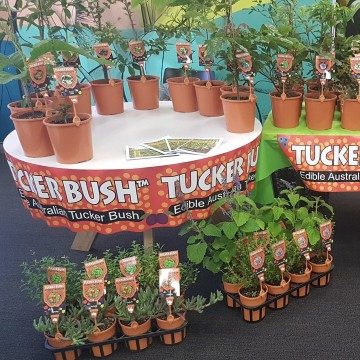
The more “pot-ready” the better: When buying plants in our range, look for the ones marked “Suitable for pots”. Although some of our plants can be grown in pots, these are the ones we find easiest for novice gardeners to grow. They’re hardier, naturally accustomed to growing small, and easy to maintain in a container.

Use the best potting mix you can find: This is key to giving your bushfood container garden the best start possible. Choose an Australian premium standard potting mix, as it comes pre-packaged with the ideal ratios of nutrients for growing plants in pots. Do not add other ingredients during your initial planting – save the hand-feeding for three months down the track, when the potting mix’s slow-release fertiliser runs out.