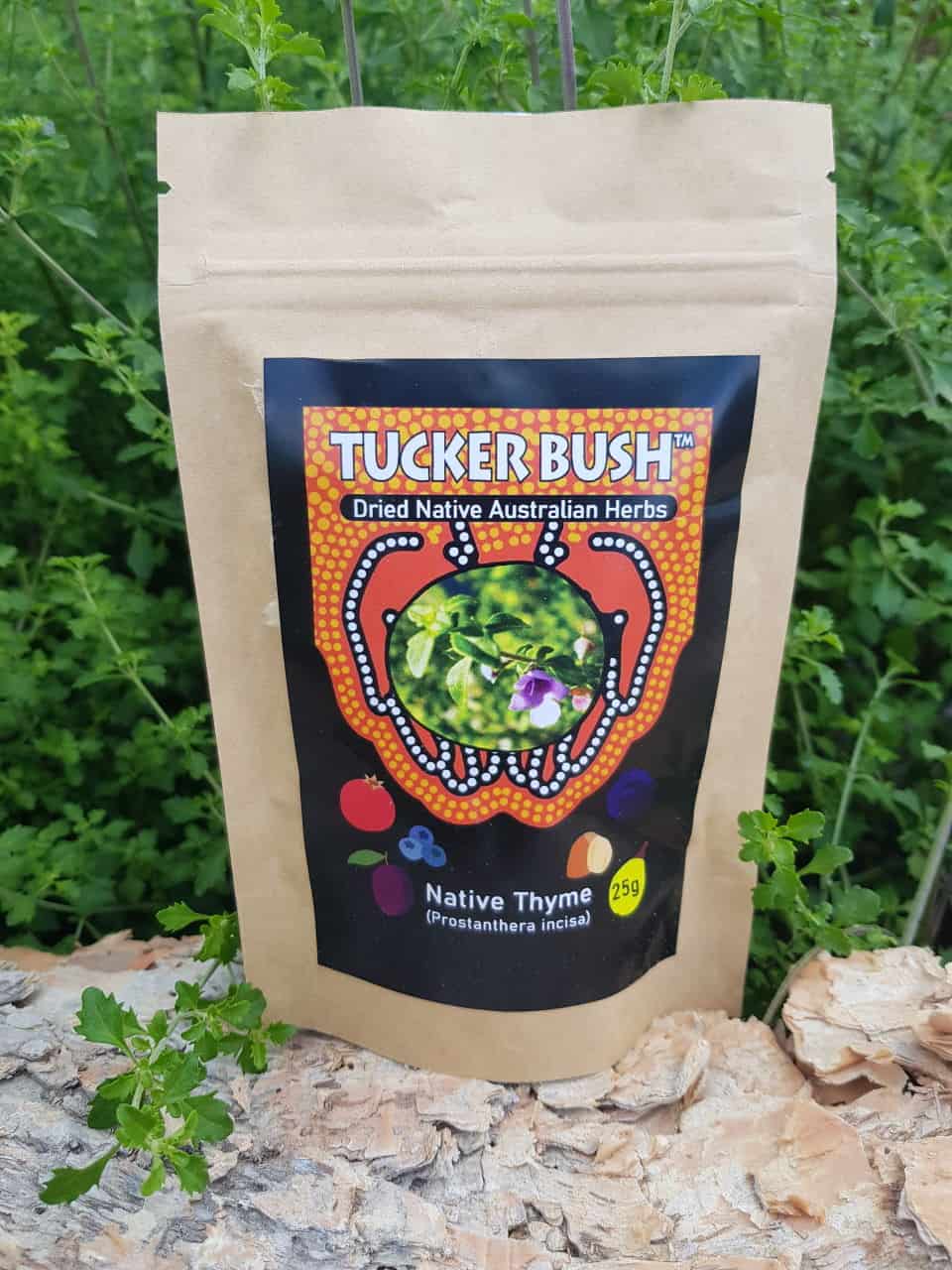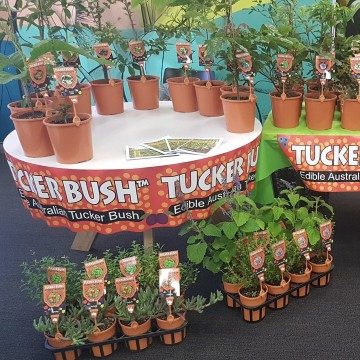
A criticism we sometimes hear about native Australian gardens is that they don’t tend to look particularly inviting – citing chunky mulch, sparse spaces, and pokey looking foliage giving off a hostile vibe. We think that’s a bit unfair.
While we appreciate the softer, fuller textures of a traditional European garden might seem gentler and more welcoming, we’d argue that the sense of place in a native Australian garden – that is, how we connect to and feel comfortable in a given environment – comes down to the how rather than the what.
Plan your garden around the best place to sit
According to Rachel McCartain of PlantPots, you’ll get better results from choosing the most pleasant spot to spend time in, then building out from there – not the other way around. Perhaps this is where you’ll put your garden furniture, or a stone bench, or simply a patch of soft lawn or a native lawn substitute (eg. Dichondra, Native Violet). This is where you’ll get the right amount of shade and sunshine and breeze to suit what you, and possibly your visitors, will enjoy.

It can help to have an idea of what you’ll use your garden for. Will this be your home’s social gathering spot – in which case, you may want a big space and a layout where people can face each other for conversation. Or do you prefer using your piece of nature for quiet contemplation, or an outdoor office with a desk and reliable wifi reception?
Once you know what the space means to you, you can start working on a “fit for purpose” garden design.
Choose your plants, choose your surroundings
Since this garden is your own personal space, there’s no one right set of plants or proper style you “should” have. What matters most is choosing plants that will bring you the most joy – consider this permission to channel your inner Marie Kondo.

You’re free to let your favourite plants lead the way. For gardeners who love a good fruit tree, the most popular in our range are Midyim Berries (white speckled berries in Autumn), Tucker Bush Cherry (a hardy psyllid-resistant species bearing clusters of pink fruit), and the highly sought-after Finger Lime (delicious, unique citrus fruits). Those who find comfort more ornamental edibles would enjoy Blue Tongue (pink flowers, purple berries), Raspberry Jam Wattle (aromatic tree with fuzzy golden flowers), Native Turmeric (pink flowers), Red Back Ginger (bronze and green leaves), Cinnamon Myrtle (white flowers), White Kunzea (fuzzy white flowers), or the Jambinu Zest variety of Geraldton wax (prolific blooms in pink).
Borrowing from the garden design playbook, we recommend choosing plants of different heights (see The Micro-forest Mindset), texture and foliage densities to create your preferred visual and sensory effects in the space around you. For smaller plants (or larger gardens), plant in odd numbers (1, 3, 5 or 7 of any single species) and in clumps and clusters to create a more natural visual effect. Don’t worry if you can only find an even number of a certain species – just plant two lots of odd numbers in different spots around the garden.
Work with nature rather than against it
It’s hard to feel a sense of place in a garden you’re constantly fighting with. Every plant has particular needs beyond soil, water and sunshine, and working with nature means setting up your garden to ensure these needs are mostly met.
Planting thirsty rainforest species in a temperate or arid zone leads to a lot of time spent ensuring your plants get enough moisture to survive – this is where you’d choose between different plants or a more sophisticated reticulation system. Again, there’s no one right way to do this. The garden you want is the garden you’re prepared to maintain and enjoy.
In most cases, anywhere in Australia, we recommend mulching – covering the ground around your plants to help with water retention and penetration, maintaining soil temperature, suppressing weeds, and adding organic matter to your soil over time.

Our personal favourite mulches are:
- Tree lopper mulch (as long as it doesn’t have palm seeds)
- Chunky pine bark (though availability from the pine industry is dwindling)
- Ecomulch (made from recycled, aged and composted council greenwaste)
For veggie patches, you can also use softer, more hay-like mulch made from sugar cane, pea straw, lupins or coconut coir.
Just as the warm/dry season starts, apply your chosen mulch to a depth of 5–7 centimetres, leaving a 5–7 centimetre space around the base of each plant. If buying a bulk quantity of mulch in Western Australia, ensure the delivery complies with polyphagous shot-hole borer (PSHB) quarantine orders.
Comfortable places that make a home
A sense of place often comes from sharing a space with other living things – besides plants, of course. We reckon all new gardens should be designed for the enjoyment of the owners as well as local fauna. After all, pollinators and water sources keep a garden alive!
Consider adding additional sitting spots away from the main seating area, places where pets or birds or lizards can visit and spend time, without necessarily taking pride of place in your garden. Bird baths, feeders, and hydration stations (shallow with a make-shift “ramp” for climbing out of the water) are fauna favourites in Summer, while bee hotels and bug houses can provide much-needed shelter from rain and wind while increasing the biodiversity of your backyard. Be sure to keep these spots free from spider webs and overgrown branches.
Let’s talk about gardens!
Come find us at the Gidgegannup Small Farm Field Day (25 May) and the Kalamunda Garden Festival (1 June). Mark from Tucker Bush will be there to talk about garden design and maintenance, and give you his recommendations for this season’s best bushfood plants.