You’ve heard of waterwise gardens that flourish and thrive on less water weather. Now, with climate change increasing the severity and impact of bushfires, it’s time to think about “Firewise” gardening.
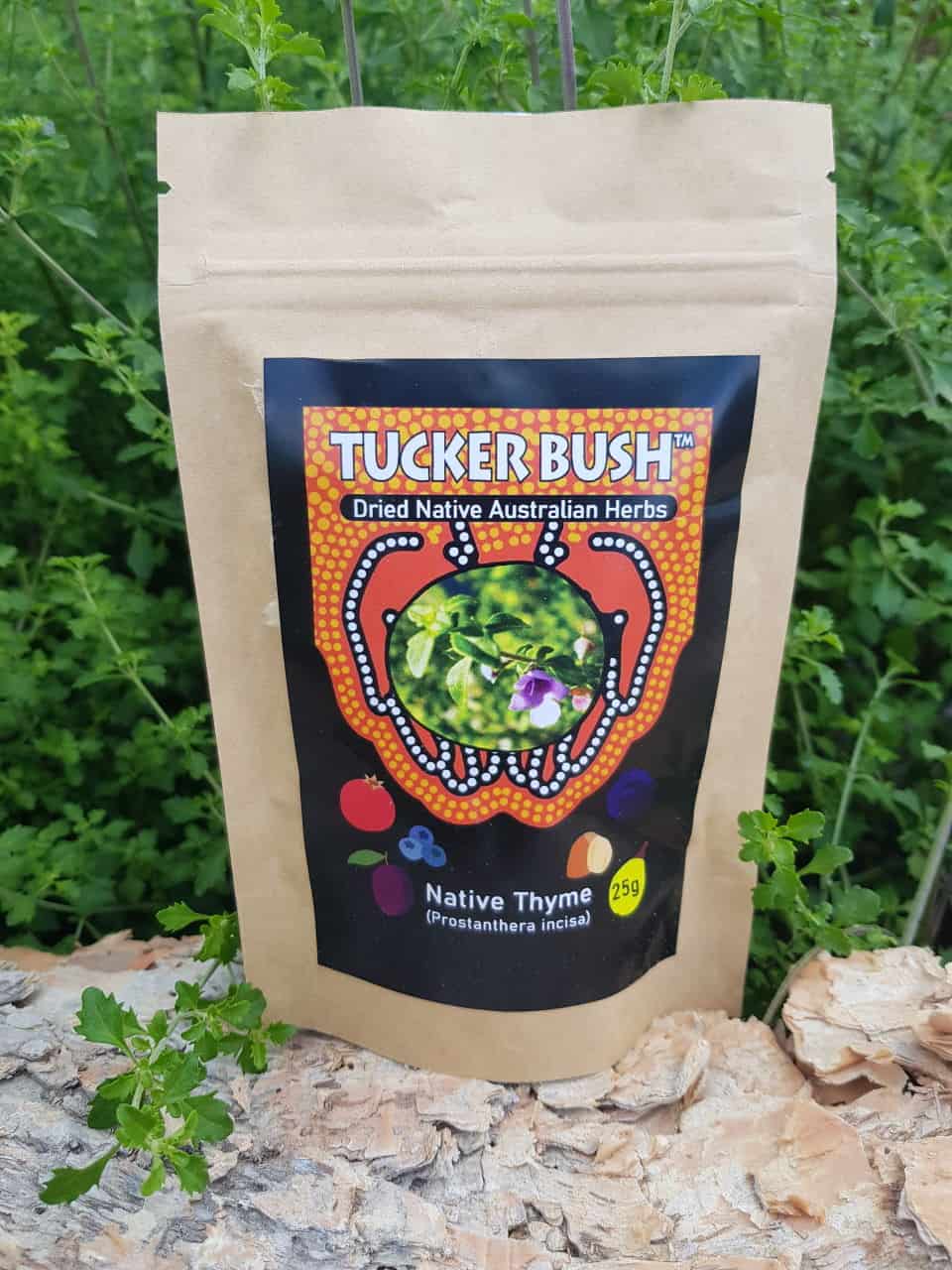
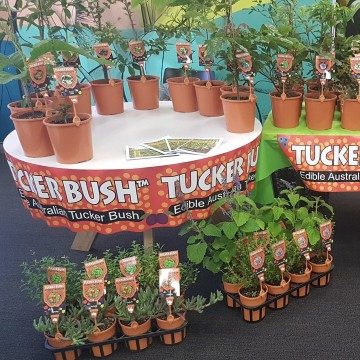
No plant is fire-proof, but certain native species are less likely to ignite quickly, less encouraging of fire spread, or quicker to recover when planted in the right way. Many of the Native edible plants in our range can be considered Firewise choices – that is, they don’t burn as quickly as other species of plants.
Firewise planting is particularly useful for gardens in drier parts of the country, like most of W.A, S.A, & N.T, outback Victoria and some parts of New South Wales and Queensland. Ultimately, a Firewise garden should aim to:
- minimise a bushfire’s ability to generate embers that spread from your garden to your home;
- reduce the radiant heat that creates ideal conditions for fuel to ignite; and
- reduce the potential for burning plant matter to come into direct contact with nearby buildings.
Firewise bushfood plants
The edible groundcovers and shrubs in our range that we consider firewise tend to have a low oil and high moisture content, making them less flammable and able to slow the spread of ground fire.

Pigface / Karkalla
Pigface (Carpobrotus rossii / glaucescens / virescens) and Karkalla (Disphyma crassifolium) are both succulent species that store moisture in their leaves. Although they make a poor fuel, dense plantings of any groundcover are generally not recommended in bushfire prone areas. Break up large areas of groundcover with non-flammable surfaces like paving and pathways.

Warrigal Greens
Warrigal Greens (Tetragonia tetragonioides), with its lush spinach-like foliage and low oil content, can act as a living mulch to retain the overall moisture content in your garden. Old leaves die and decay quickly, leaving little in the way of dead matter that can catch during a fire – though we still recommend clearing away dry plant parts during fire season.

Native Leek
Native Leek (Bulbine bulbosa) is a tasty tuber that holds plenty of water and little in the way of flammable oils. Unlike some tubers and root vegetables that die back and leave a woody mass, this plant softens and wilts as it ages, decaying quickly back into the soil.

Old Man Saltbush
Old Man Saltbush (Atriplex nummularia), along with other species like Grey Saltbush (Atriplex cinerea) and Rhagodia salt bushes, are naturally flame-retardant due to their high salt content. To help maintain this natural characteristic, water these living firebreaks generously with saltwater as your hot and dry season begins.

Samphire
Samphire (Tecticornia lepidosperma) ticks many of our firewise boxes. As a succulent it holds plenty of moisture when properly hydrated, and its ability to tolerate and store salt means it can contribute to your garden’s fire-slowing efforts. Although this species is also a waterwise plant (requires less water than other Samphire species), you’ll get better results from generous watering throughout summer – this will improve the quality of its leaves and its capacity to help slow a surface fire.

Tucker Bush Cherry
Tucker Bush Cherry (Syzygium australe) is our favourite variety of Lilly Pilly because of its resistance to psyllids (a common Syzygium pest). But Lilly Pillies are generally a great choice for a firewise garden, thanks to their smooth bark and robust foliage with low oil content. If blue berries match your landscape better than pink ones, we’d suggest the Blue Lilly Pilly (Syzygium oleosum) instead.

Muntries
Muntries (Kunzea pomifera) is a low-growing shrub bearing sweet berries that taste like spicy apples. The shrub itself has a high moisture content when properly hydrated, and contains lower oils compared to other plants in the Myrtaceae family.
Firewise gardening tips
Water generously during fire season
Keeping your moisture-rich plants well hydrated means they’ll do their job better when called upon to fight a fire. Although saving water remains important, gardens in high bushfire-risk areas may just save more by preventing fires than by curing them.
Choose non-combustible mulches and clear away dead plant matter
Avoid fine mulches like woodchips, pine mulch, and hay/straw as these will ignite easily in the event of a fire. Living mulch or non-combustible mulch like pebbles and gravel are less likely to catch and scatter with the air currents. Ensure dead plant matter is regularly cleared from your garden spaces to reduce available fuel.
Space out your plant foliage
Whether you’re spacing individual plants or the branches on a single plant, the aim is to prevent tightly packed leaves with more fuel to burn. This applies even if your leafy plants have firewise characteristics like high moisture content, low-oils, and thick leaf bodies.
More resources for firewise gardening
- Bushfire Best Practice Guide: Landscaping via CSIRO
- Fire Resistant and Retardant Plants via Australian Plants Society (Victoria)
- Firewise Gardening in Western Australia via DFES
- Firewise Gardening WA video series via DFES YouTube Channel