Schools across WA can play a vital role in keeping WA cool and green
Attention all students, teachers and parents!
WA’s Cook Government recently announced an inspiring Urban Greening Strategy to combat the loss of urban vegetation .
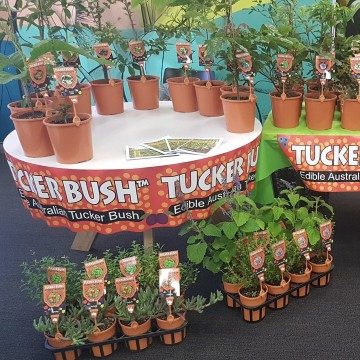
With the help of the Tucker Bush Schools Program, your school can help increase WA’s urban tree canopy by growing a micro-food forest on school grounds and supporting community planting efforts.

Why do we need more canopy cover?
Perth has the lowest tree canopy cover of any Australian city. At just 16% cover, we’re the most exposed city during hot, wet, dry and windy weather.
But this kind of exposure is 100% preventable.
Native vegetation cover performs a range of beneficial functions like preventing heat build-up during summer, water infiltration (helping stormwater soak into the ground) to prevent flooding, gas and pollution capture to improve air quality, providing pleasant surroundings to encourage more time outdoors, and providing food and habitat for local wildlife to maintain biodiverse ecosystems.
To meet the State’s Urban Greening target of 30% by 2040, schools across the Whadjuk (Perth) and Bindjareb (Peel) Country have been called upon to get greening!
Why plant a micro-forest?
A micro-forest is a dense pocket of diverse vegetation that mimics a full-sized forest, but at a smaller scale. It’s a tiny but mighty ecosystem, aimed at maximising biodiversity in small spaces like schoolyards, suburban verges, and even car parking spots.
Learn more:

What happens now?
In the coming months, the State Government will launch their Let’s Grow program, offering funding grants to schools and community groups to deliver urban greening projects that boost local tree canopy cover.
Register for the Tucker Bush Schools Program today to keep abreast of how we can help your school plan and plant a native micro-forest.